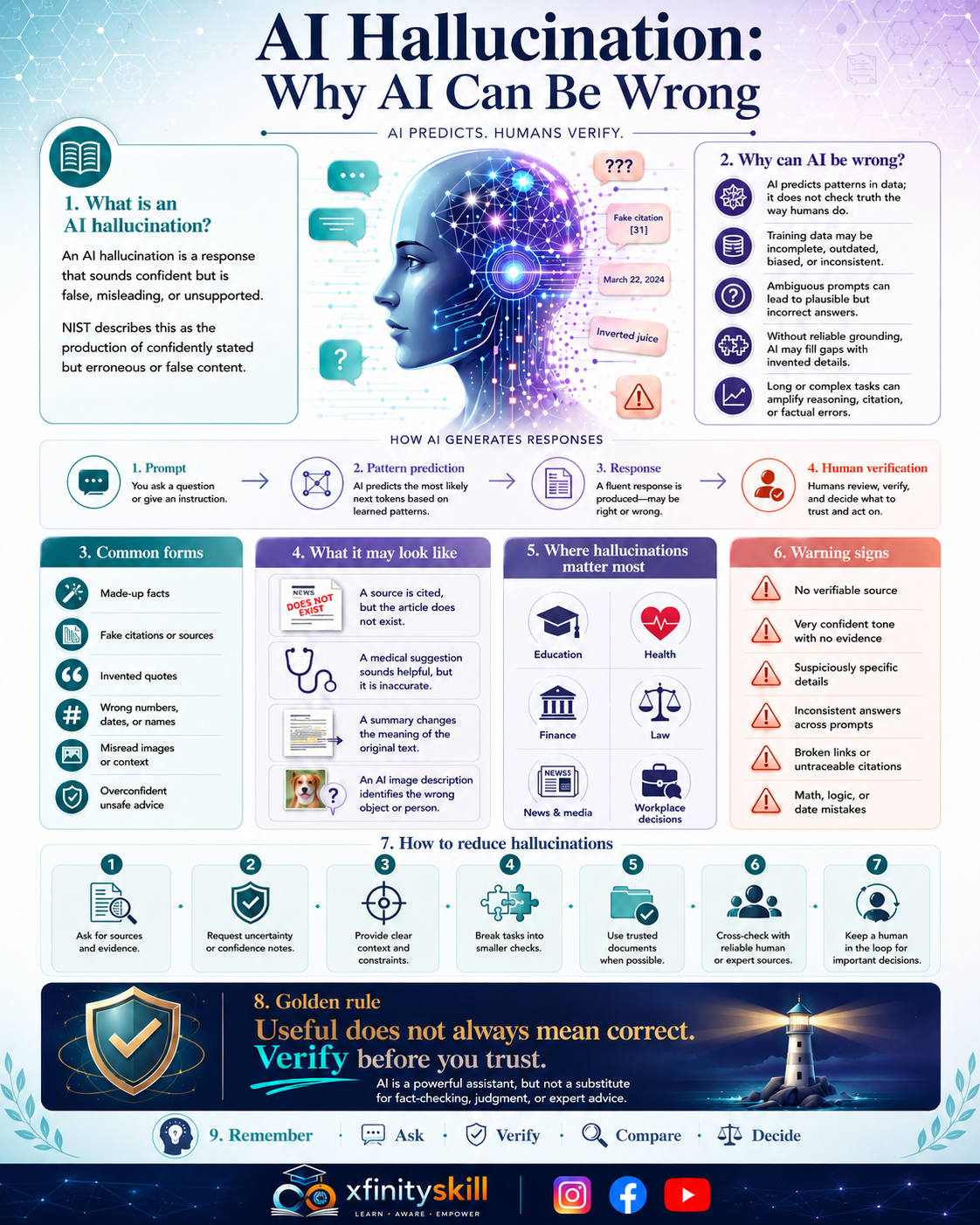
AI Hallucination: Why AI Can Be Wrong
AI hallucination refers to instances when artificial intelligence systems generate outputs that are incorrect, nonsensical, or entirely fabricated. This phenomenon can occur for several reasons, and understanding these can help users navigate the complexities of AI-generated content.
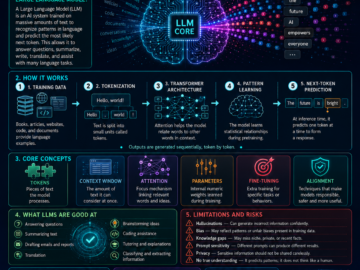
One primary cause of AI hallucination is the reliance on training data. AI models learn from vast datasets, and if these datasets contain inaccuracies or biases, the AI may produce flawed outputs. For example, if an AI is trained on biased information, it may inadvertently reinforce those biases in its responses.
Another factor is the inherent limitations of AI algorithms. While they can process and analyze data at incredible speeds, they lack true understanding or consciousness. This means that AI can misinterpret context or fail to grasp nuances in language, leading to errors in its outputs.
Additionally, the complexity of human language poses a challenge. AI systems may struggle with idiomatic expressions, sarcasm, or cultural references, resulting in responses that seem off-base or irrelevant.
To mitigate the effects of AI hallucination, users should approach AI-generated content with a critical eye. Verifying information through reliable sources and cross-referencing outputs can help ensure accuracy.
In conclusion, while AI has made significant strides in recent years, it is not infallible. Understanding the reasons behind AI hallucination can empower users to make better-informed decisions when interacting with these technologies.