Caffeine Timing and Sleep Disruption
Caffeine is a widely consumed stimulant that can significantly impact sleep quality and duration. Understanding the timing of caffeine intake is crucial for minimizing its disruptive effects on sleep.
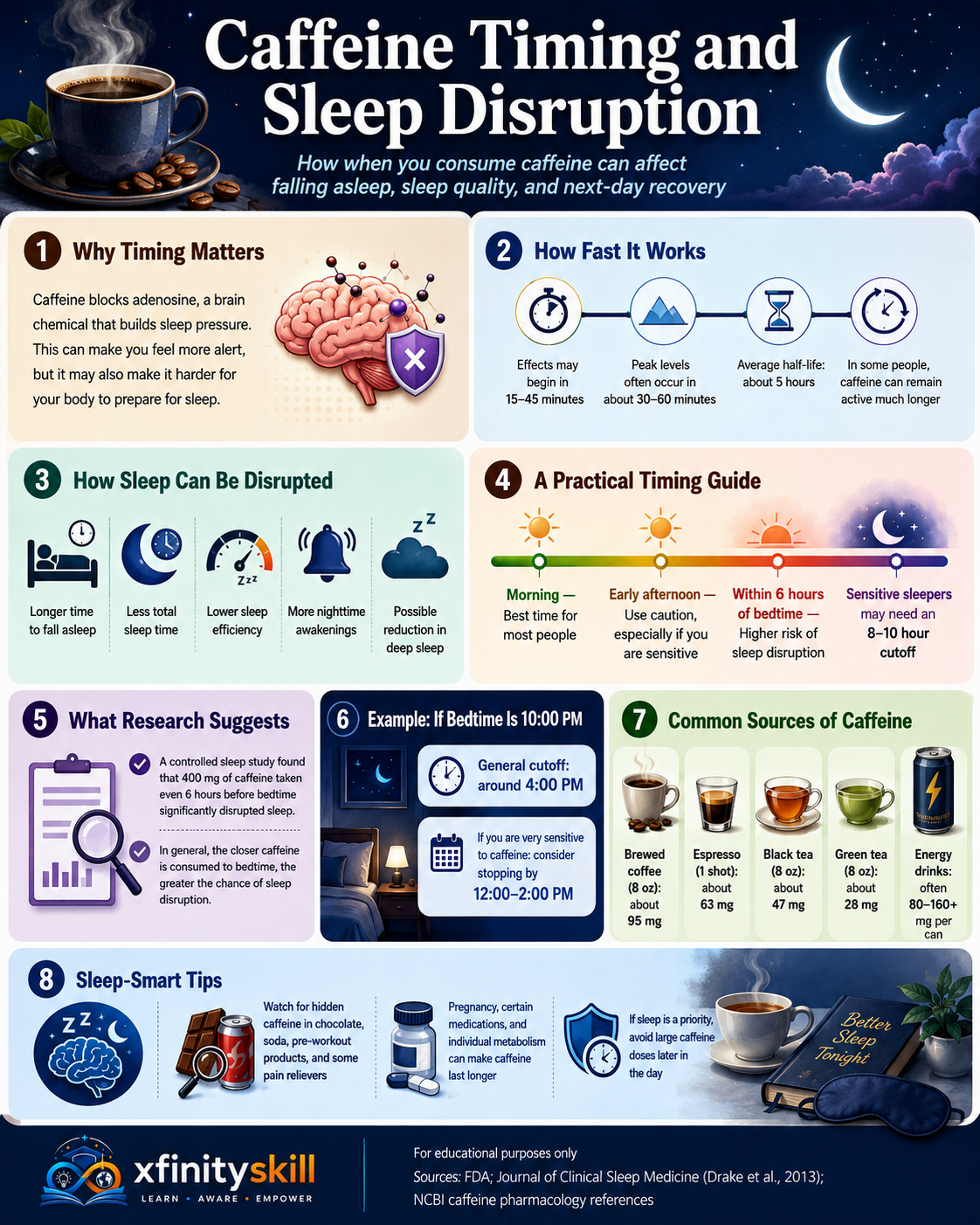
Caffeine has a half-life of about 3 to 7 hours, meaning that it can remain in your system for several hours after consumption. This prolonged presence can interfere with the ability to fall asleep and stay asleep, particularly if consumed too close to bedtime. Research suggests that consuming caffeine even six hours before sleep can reduce total sleep time and affect sleep architecture, leading to lighter sleep and increased awakenings during the night.
To mitigate sleep disruption, it is advisable to limit caffeine intake to the early part of the day. Many experts recommend avoiding caffeine after 2 PM or 3 PM, especially for individuals who are sensitive to its effects. This allows the body ample time to metabolize the caffeine before sleep.
Additionally, the impact of caffeine can vary based on individual tolerance levels, genetics, and habitual consumption. Some people may find that they can consume caffeine later in the day without noticeable effects on their sleep, while others may need to be more cautious. Keeping a sleep diary can help individuals identify their personal caffeine sensitivity and its effects on their sleep patterns.
In summary, being mindful of caffeine timing is essential for maintaining healthy sleep. By understanding how caffeine affects the body and adjusting consumption habits accordingly, individuals can improve their sleep quality and overall well-being.