Sleep Problems in Teenagers
Teenagers often face a myriad of challenges when it comes to sleep, leading to significant sleep problems that can affect their overall health and well-being. Understanding these issues is crucial for parents, educators, and healthcare providers.
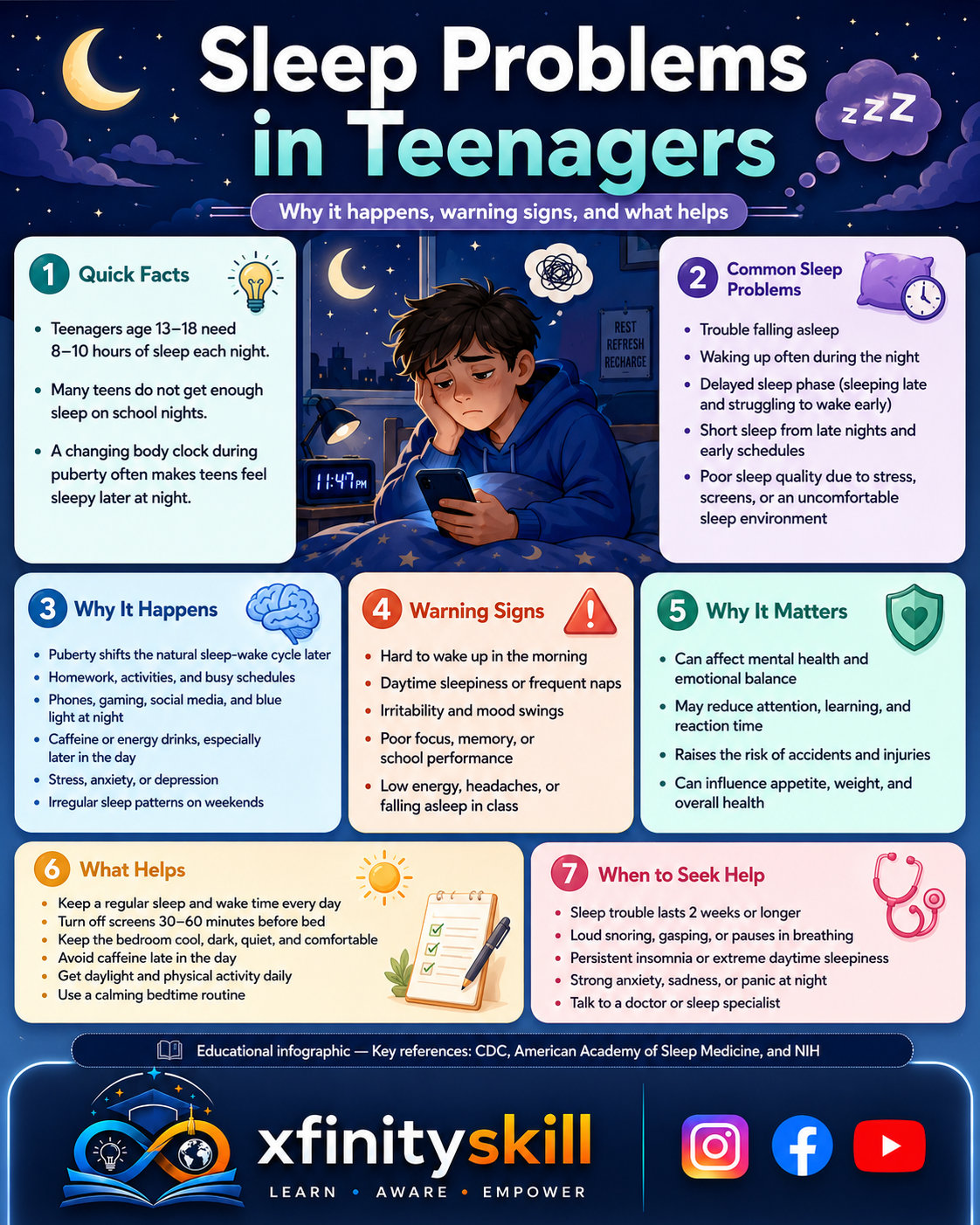
One of the primary reasons for sleep problems in teenagers is the natural shift in their circadian rhythms. During adolescence, the body’s internal clock tends to shift, making it difficult for teens to fall asleep early. This shift often results in late bedtimes and insufficient sleep, as many teens need about 8 to 10 hours of sleep per night but struggle to achieve this due to early school start times.
Additionally, lifestyle factors play a significant role in sleep disturbances. The prevalence of electronic devices among teenagers contributes to sleep issues. The blue light emitted by screens can interfere with the production of melatonin, the hormone responsible for regulating sleep. Many teens engage in late-night screen time, whether for social media, gaming, or studying, which can further delay their sleep onset.
Stress and anxiety are also common among teenagers, often stemming from academic pressures, social dynamics, and extracurricular commitments. These stressors can lead to racing thoughts and difficulty relaxing, making it challenging for teens to fall asleep or stay asleep throughout the night.
Sleep disorders such as insomnia and sleep apnea can also affect teenagers. Insomnia may manifest as difficulty falling asleep, staying asleep, or waking up too early, while sleep apnea, characterized by interrupted breathing during sleep, can lead to excessive daytime sleepiness and difficulty concentrating.
The consequences of sleep problems in teenagers are far-reaching. Insufficient sleep can lead to poor academic performance, mood swings, increased risk of mental health issues, and even physical health problems. It is essential for parents and guardians to recognize the signs of sleep deprivation and encourage healthy sleep habits.
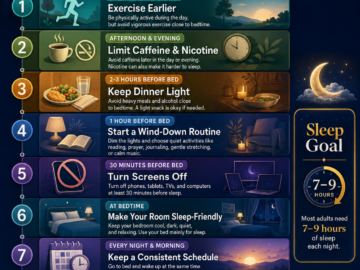
To promote better sleep, teenagers should establish a consistent sleep schedule, create a relaxing bedtime routine, and limit screen time before bed. Additionally, fostering a sleep-friendly environment—cool, dark, and quiet—can significantly improve sleep quality.
In conclusion, addressing sleep problems in teenagers is vital for their overall health and development. By understanding the factors contributing to these issues and implementing effective strategies, we can help teens achieve the restful sleep they need to thrive.