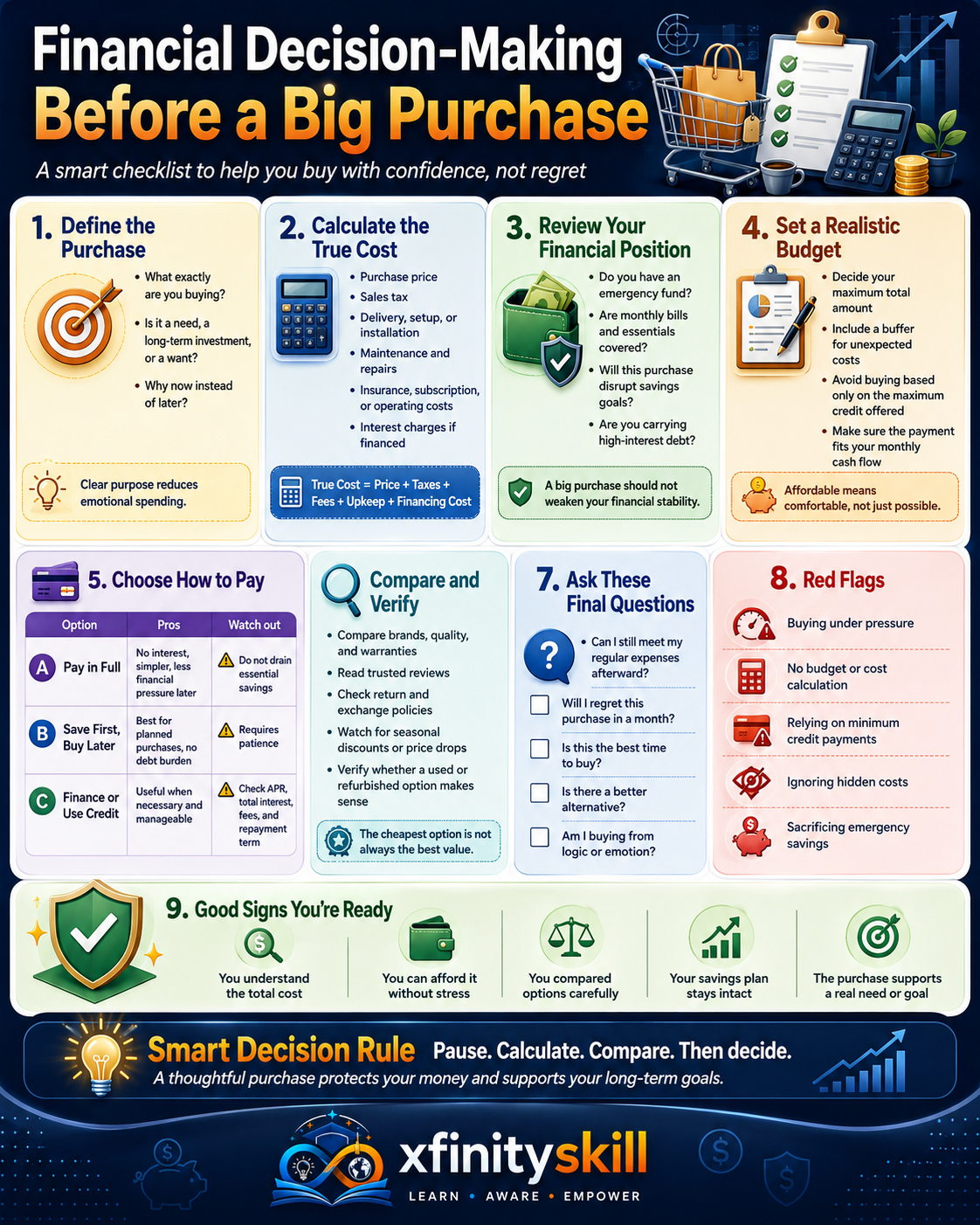
When considering a significant purchase, effective financial decision-making is crucial to ensure that you make a choice that aligns with your financial goals and circumstances. Here are some key factors to consider:
1. Assess Your Financial Situation
Before making any big purchase, take a close look at your current financial status. This includes:
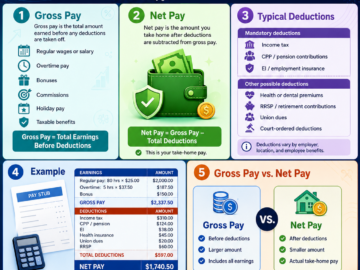
- Income: Understand your monthly income and how much you can allocate towards the purchase.
- Expenses: Review your monthly expenses to identify how much you can afford without compromising your essential needs.
- Savings: Consider your savings and whether you have enough to cover the purchase without going into debt.
2. Set a Budget
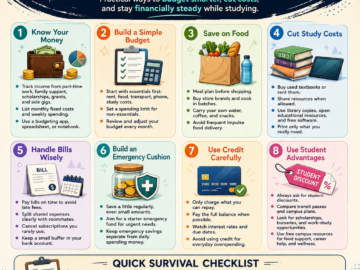
Creating a budget is essential for managing your finances effectively. Determine how much you are willing to spend on the purchase and stick to that limit. This helps prevent impulse buying and ensures that you remain within your financial means.
3. Research the Purchase
Gather information about the item or service you intend to buy. Look for:
- Prices: Compare prices from different retailers or service providers to find the best deal.
- Reviews: Read customer reviews and expert opinions to assess the quality and reliability of the product.
- Alternatives: Consider similar products that may offer better value for your money.
4. Evaluate Financing Options
If the purchase requires financing, explore your options carefully. This may include:
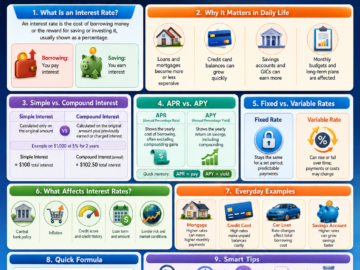
- Loans: Research personal loans or credit options, comparing interest rates and terms.
- Credit Cards: If using a credit card, ensure you understand the interest rates and repayment terms.
- Payment Plans: Some retailers offer payment plans that allow you to spread the cost over time.
5. Consider the Long-Term Impact
Think about how the purchase will affect your finances in the long run. Ask yourself:
- Will this purchase add value to my life?
- What are the ongoing costs associated with this purchase (maintenance, insurance, etc.)?
- How will this affect my savings and investment goals?
6. Seek Professional Advice
If you’re unsure about your decision, consider consulting with a financial advisor. They can provide personalized advice based on your financial situation and help you make informed choices.
7. Take Your Time
Finally, don’t rush into a big purchase. Take the time to weigh your options and ensure that you are making a well-informed decision. This can help you avoid buyer’s remorse and ensure that your purchase is a positive addition to your life.
By following these steps, you can enhance your financial decision-making process and make confident choices before making a significant purchase.