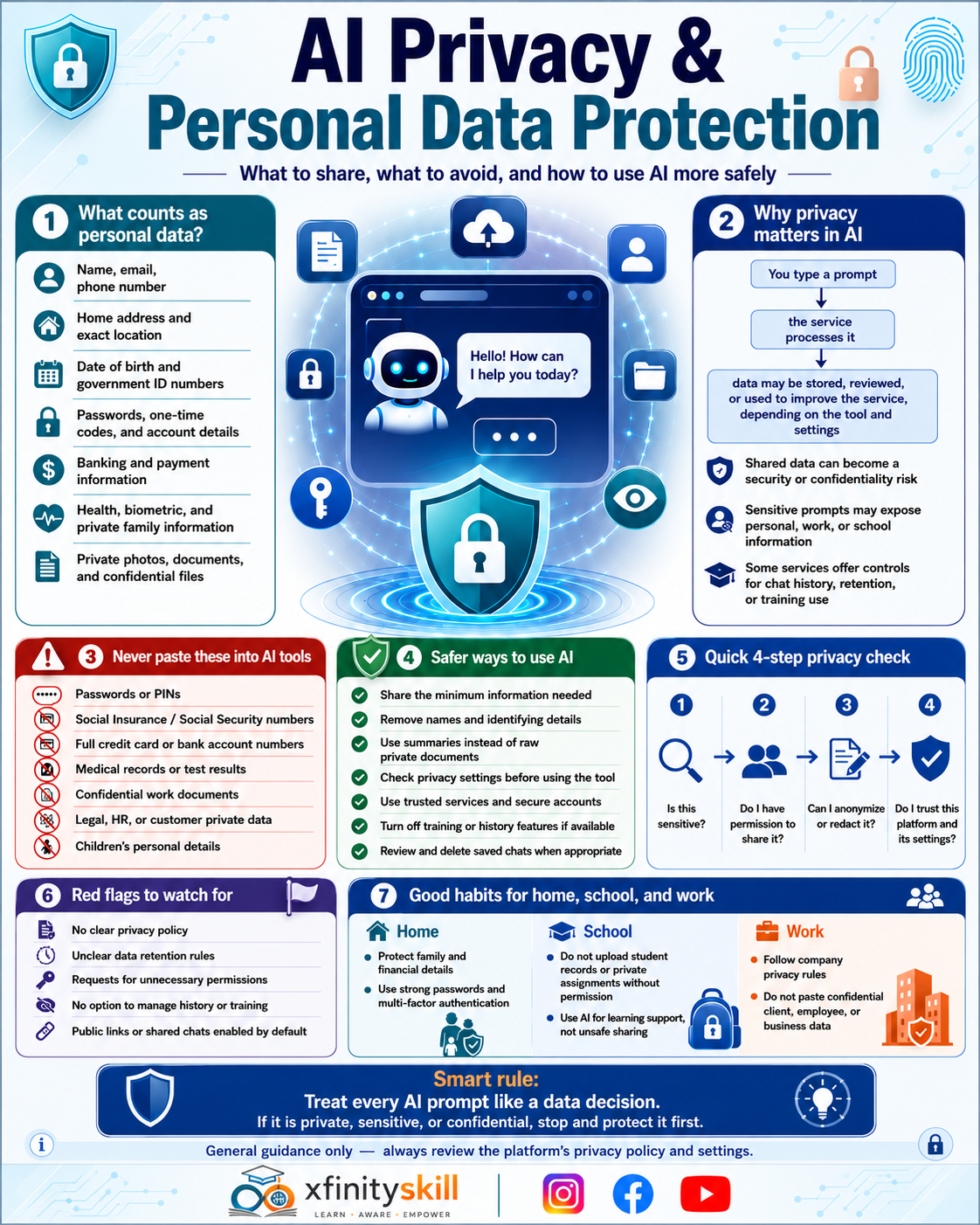
AI Privacy & Personal Data Protection
In today’s digital age, the intersection of artificial intelligence (AI) and personal data protection has become a critical concern for individuals and organizations alike. As AI technologies continue to evolve, they increasingly rely on vast amounts of personal data to function effectively. This reliance raises important questions about privacy, consent, and the ethical use of data.
One of the primary challenges in AI privacy is ensuring that individuals have control over their personal information. Organizations must implement robust data governance frameworks that prioritize transparency and user consent. This means clearly communicating how data is collected, used, and shared, as well as providing users with the ability to opt-out or delete their data when desired.
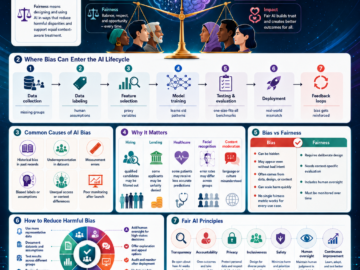
Moreover, the use of AI in data processing can lead to unintended consequences, such as bias and discrimination. It is essential for developers and organizations to conduct thorough audits of their AI systems to identify and mitigate any potential biases in the algorithms. This not only protects individuals but also enhances the overall fairness and reliability of AI applications.
Regulatory frameworks, such as the General Data Protection Regulation (GDPR) in Europe, have set a precedent for data protection standards. These regulations emphasize the importance of data minimization, purpose limitation, and the right to access personal data. Organizations leveraging AI must ensure compliance with these regulations to avoid legal repercussions and build trust with their users.
In addition to regulatory compliance, fostering a culture of privacy within organizations is crucial. This involves training employees on data protection best practices and promoting a mindset that values user privacy. By embedding privacy considerations into the design and development of AI systems, organizations can create solutions that respect user rights while still delivering innovative services.
As AI continues to shape our world, the conversation around privacy and personal data protection will only grow in importance. Stakeholders must work collaboratively to establish ethical guidelines and best practices that safeguard individual rights while harnessing the benefits of AI technology. By prioritizing privacy, we can ensure a future where AI serves as a tool for empowerment rather than a source of concern.