Basic Digital Literacy
In today’s fast-paced digital world, basic digital literacy is essential for navigating everyday tasks and enhancing personal and professional opportunities. It encompasses the skills needed to effectively use technology, including computers, smartphones, and the internet.
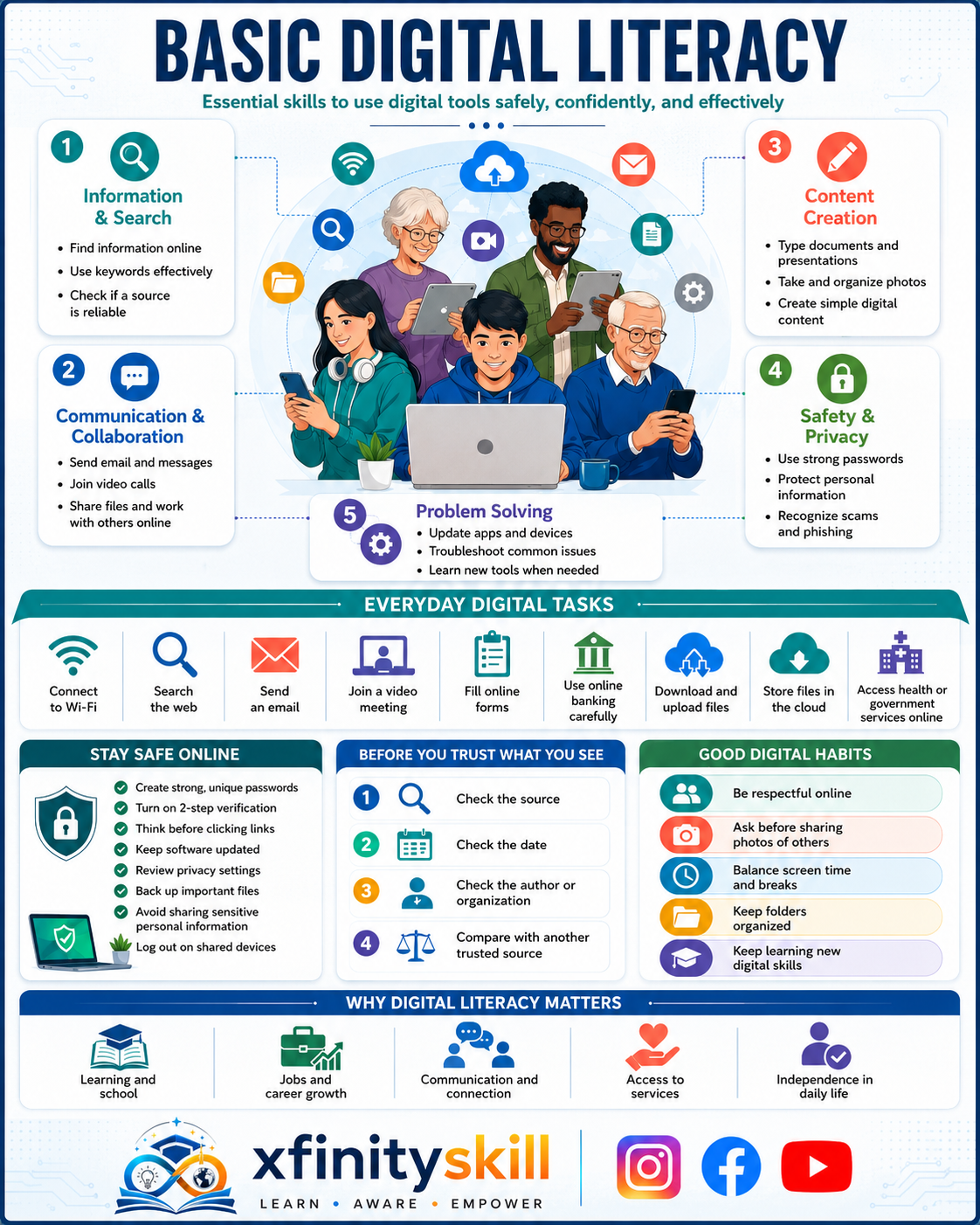
Digital literacy involves understanding how to access, evaluate, and communicate information using digital platforms. This includes:
- Navigating the Internet: Knowing how to search for information, use search engines effectively, and discern credible sources from unreliable ones.
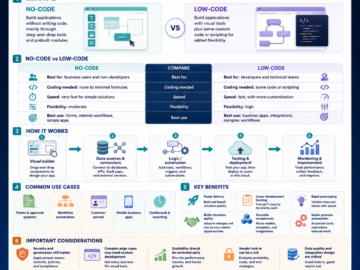
- Using Software Applications: Familiarity with common software applications such as word processors, spreadsheets, and presentation tools is crucial for both academic and workplace success.
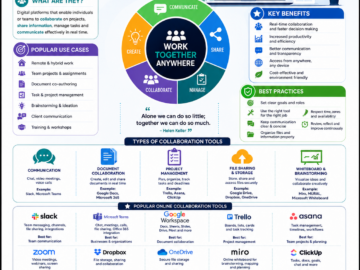
- Online Communication: Understanding how to communicate professionally via email, social media, and other digital platforms is vital in today’s interconnected world.
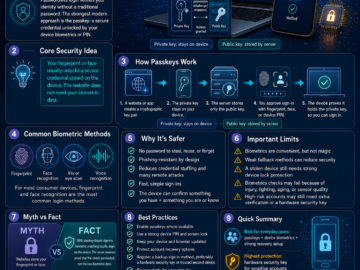
- Digital Safety and Security: Being aware of online privacy, recognizing phishing scams, and knowing how to protect personal information are key components of digital literacy.
- Problem-Solving Skills: The ability to troubleshoot basic technical issues and seek help when needed is an important aspect of being digitally literate.
As technology continues to evolve, staying updated with new tools and platforms is necessary. Continuous learning and practice can help individuals enhance their digital skills, making them more adaptable and competitive in various environments.
In conclusion, basic digital literacy is not just about knowing how to use technology; it’s about empowering individuals to engage with the digital world confidently and responsibly.