Anger as a Secondary Emotion
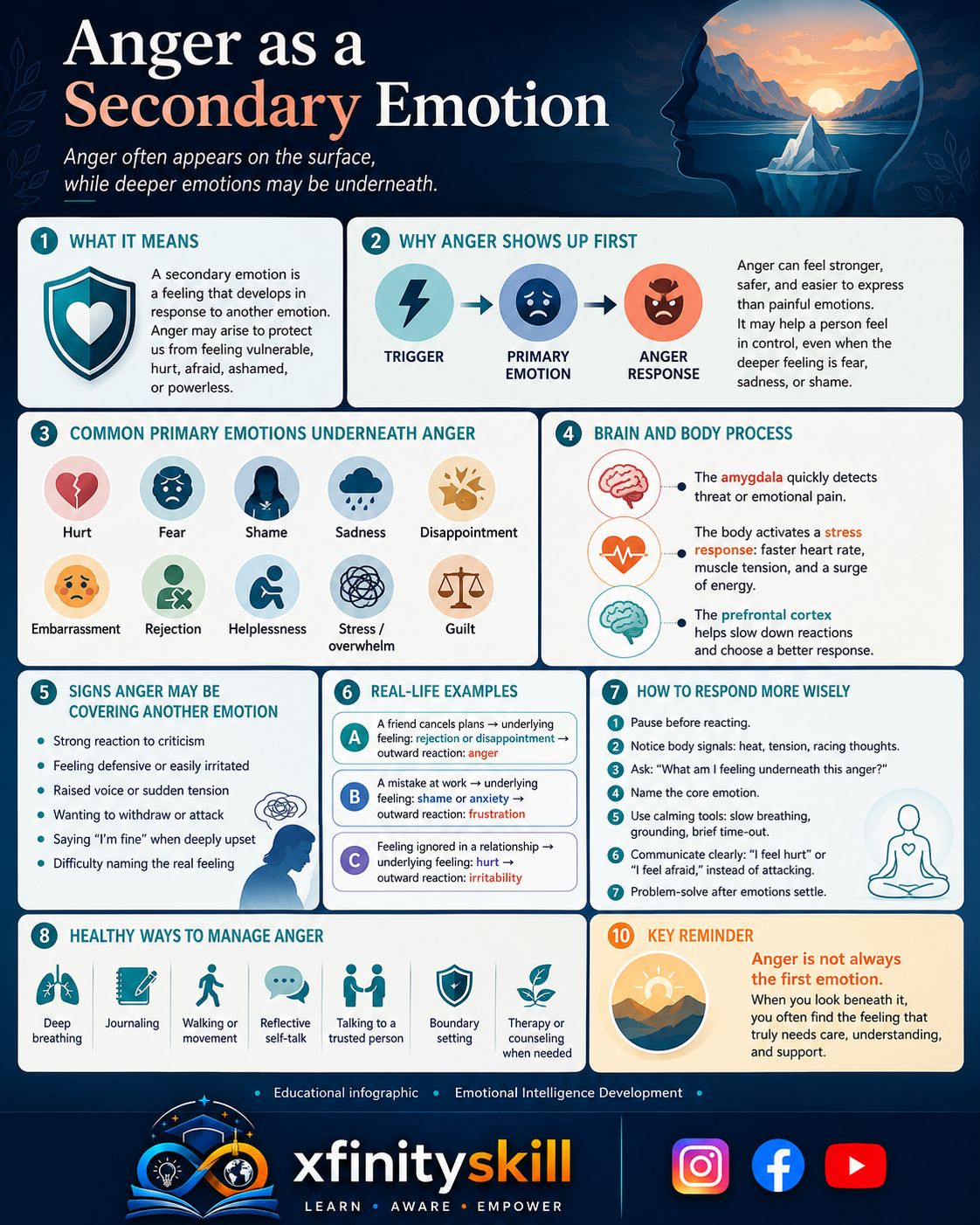
Anger often emerges as a response to deeper, more vulnerable feelings such as fear, sadness, or frustration. It acts as a protective shield, allowing individuals to mask their true emotions and maintain a sense of control. Understanding anger as a secondary emotion can help us navigate our emotional landscape more effectively.
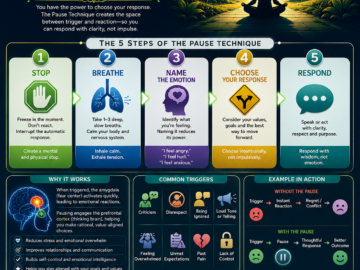
When we experience anger, it can be a signal that something is amiss. Instead of reacting impulsively, taking a moment to explore the underlying feelings can lead to healthier emotional expression. For instance, if someone feels angry after a disagreement, they might actually be feeling hurt or misunderstood. Recognizing this can foster better communication and resolution.
Moreover, societal norms often encourage the expression of anger while discouraging vulnerability. This can lead to a cycle where individuals default to anger instead of addressing the root causes of their feelings. By acknowledging anger as a secondary emotion, we can challenge these norms and promote a more nuanced understanding of our emotional responses.
In practice, this means developing emotional awareness and resilience. Techniques such as mindfulness, journaling, or talking to a trusted friend can help individuals process their emotions more deeply. By doing so, we can transform anger from a reactive force into a catalyst for personal growth and improved relationships.
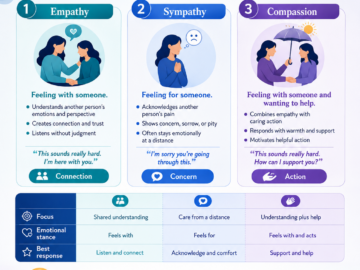
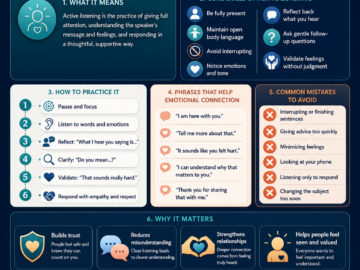
Ultimately, recognizing anger as a secondary emotion empowers us to respond with empathy and understanding, both towards ourselves and others. This shift can lead to healthier interactions and a more profound connection with our emotional selves.