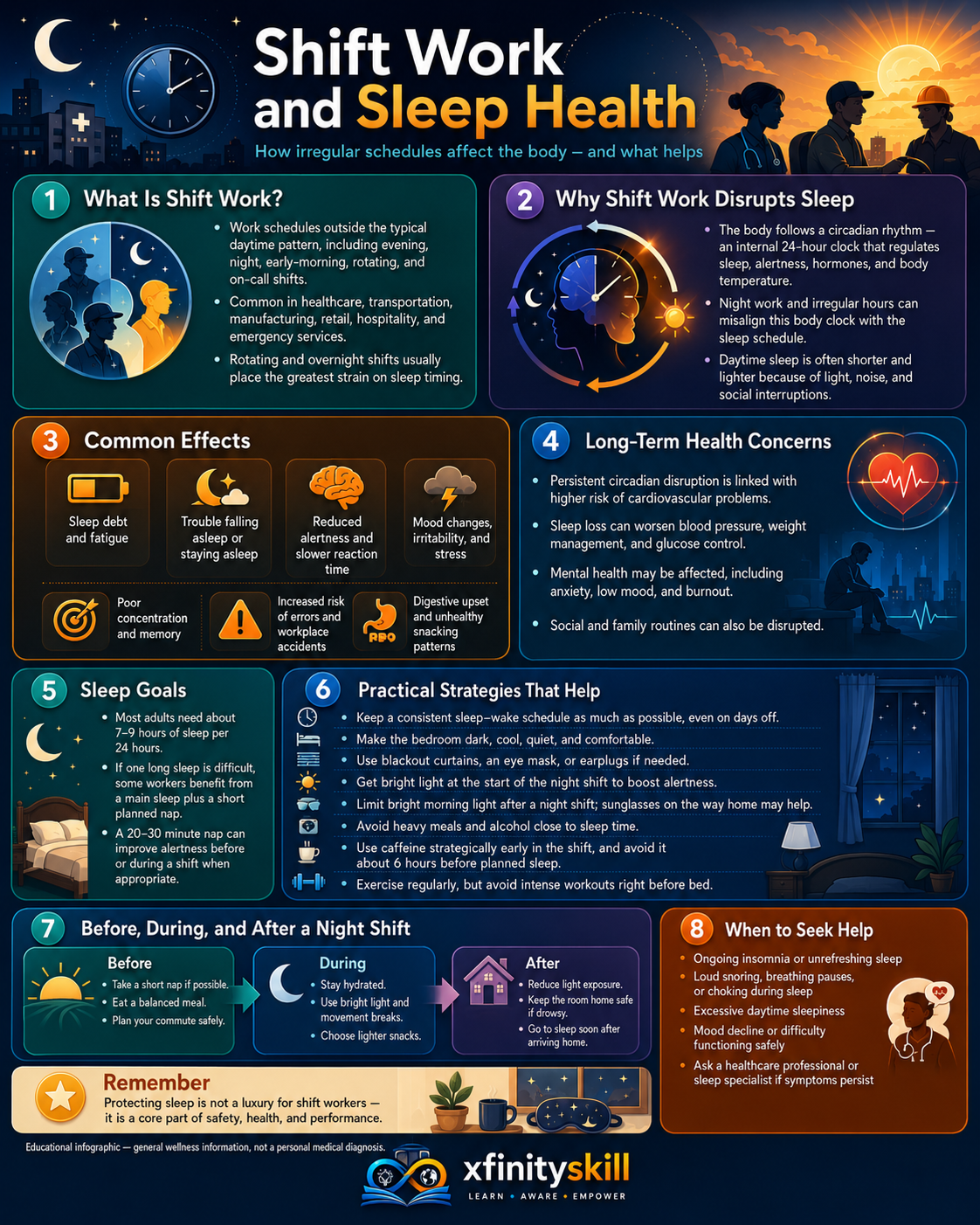
Shift Work and Sleep Health
Shift work can significantly impact sleep health, leading to various physical and mental health issues. Individuals who work non-traditional hours often struggle to maintain a regular sleep schedule, which can disrupt their circadian rhythms. This misalignment can result in sleep disorders, fatigue, and decreased overall well-being.
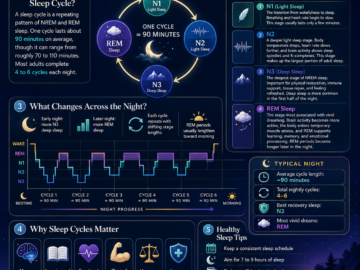
Research indicates that shift workers are at a higher risk for conditions such as insomnia, sleep apnea, and excessive daytime sleepiness. These issues can stem from irregular sleep patterns, inadequate sleep duration, and the quality of sleep being compromised. The body’s natural circadian clock is designed to promote alertness during the day and encourage sleep at night, making it challenging for shift workers to adapt.
To mitigate the negative effects of shift work on sleep health, several strategies can be employed:
- Consistent Sleep Schedule: Try to maintain a consistent sleep routine, even on days off, to help regulate your body’s internal clock.
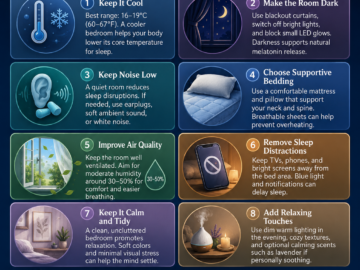
- Sleep Environment: Create a conducive sleep environment by keeping the bedroom dark, quiet, and cool. Consider using blackout curtains and white noise machines.
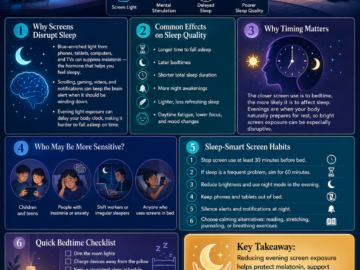
- Limit Stimulants: Reduce the intake of caffeine and nicotine, especially close to bedtime, as these can interfere with sleep quality.
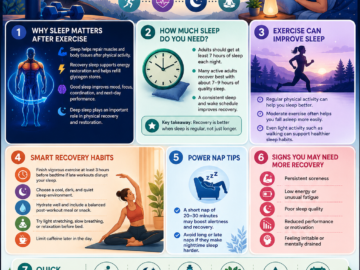
- Napping: Short naps before or during shifts can help alleviate sleepiness and improve alertness.
- Healthy Lifestyle: Engage in regular physical activity and maintain a balanced diet to support overall health and improve sleep quality.
- Seek Professional Help: If sleep issues persist, consider consulting a healthcare professional for tailored advice and potential treatment options.
By understanding the challenges associated with shift work and implementing effective strategies, individuals can improve their sleep health and overall quality of life.