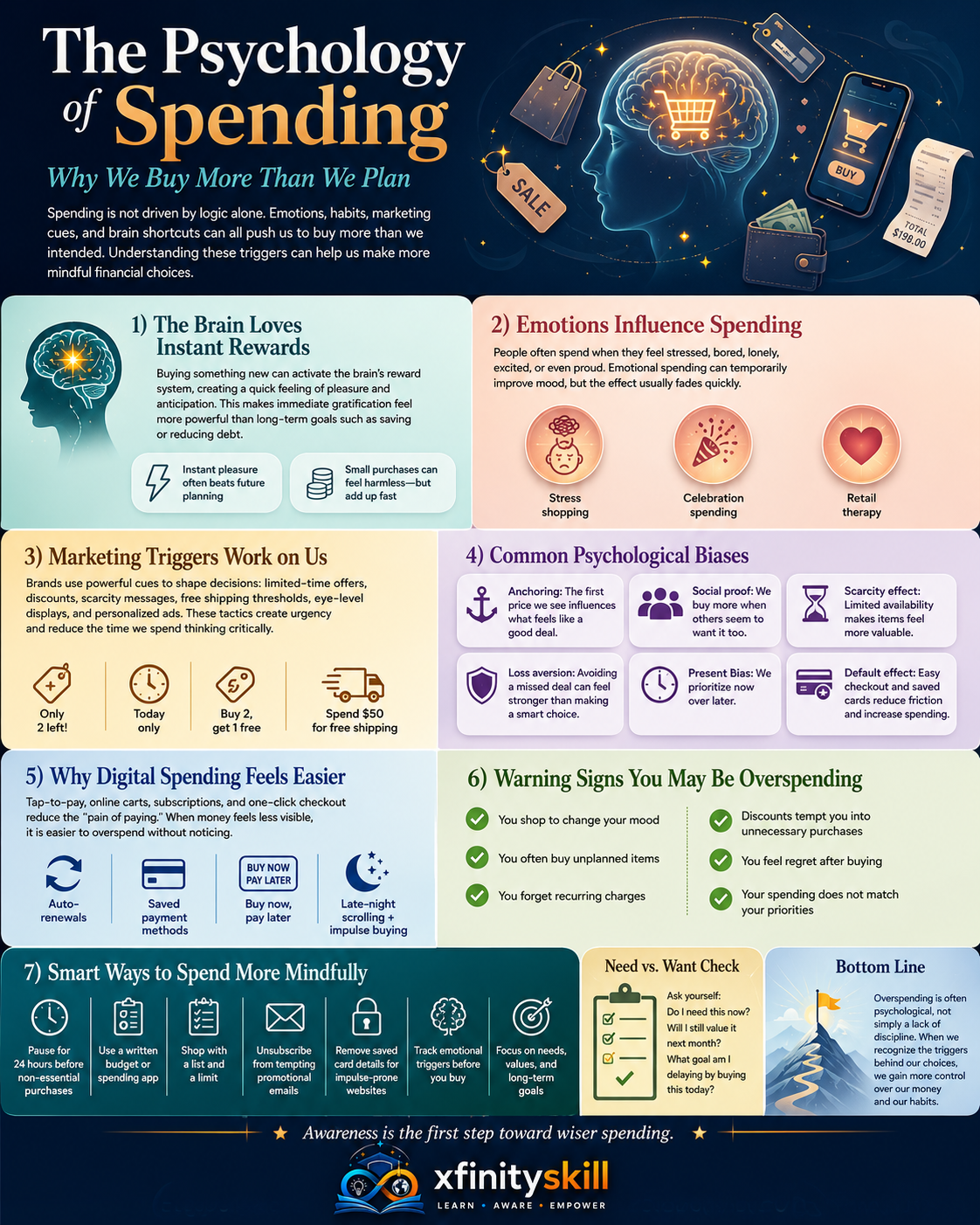
The Psychology of Spending: Why We Buy More Than We Plan
Understanding the psychology behind our spending habits can reveal why we often find ourselves purchasing more than we initially intended. Several factors contribute to this phenomenon, including emotional triggers, social influences, and cognitive biases.
One significant aspect is emotional spending. Many individuals turn to shopping as a way to cope with stress, sadness, or even boredom. This behavior is often linked to the release of dopamine, a neurotransmitter associated with pleasure and reward. When we buy something, we experience a temporary boost in mood, which can lead to a cycle of emotional spending.
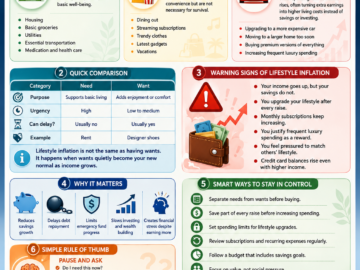
Social influences also play a crucial role in our purchasing decisions. The desire to fit in or impress others can lead to impulsive buying. Social media platforms amplify this effect, showcasing curated lifestyles that can create feelings of inadequacy. As a result, individuals may feel pressured to spend beyond their means to keep up with perceived societal standards.
Cognitive biases further complicate our spending habits. The “anchoring effect,” for example, occurs when we rely too heavily on the first piece of information we encounter. If we see a high-priced item first, we may perceive subsequent items as bargains, leading to unplanned purchases. Additionally, the “sunk cost fallacy” can cause us to continue spending on a project or item simply because we have already invested time or money into it, even if it no longer serves our needs.
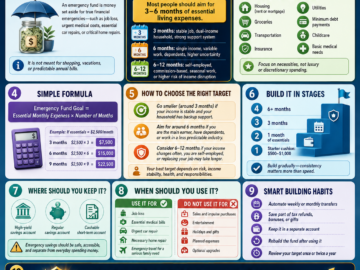
To combat these tendencies, it’s essential to develop mindful spending habits. Setting a budget, tracking expenses, and reflecting on the motivations behind purchases can help individuals make more informed decisions. By understanding the psychological factors at play, we can take control of our spending and align it more closely with our financial goals.
In conclusion, the psychology of spending is a complex interplay of emotions, social pressures, and cognitive biases. By recognizing these influences, we can better navigate our purchasing decisions and avoid the pitfalls of overspending.