Human Skills AI Cannot Easily Replace
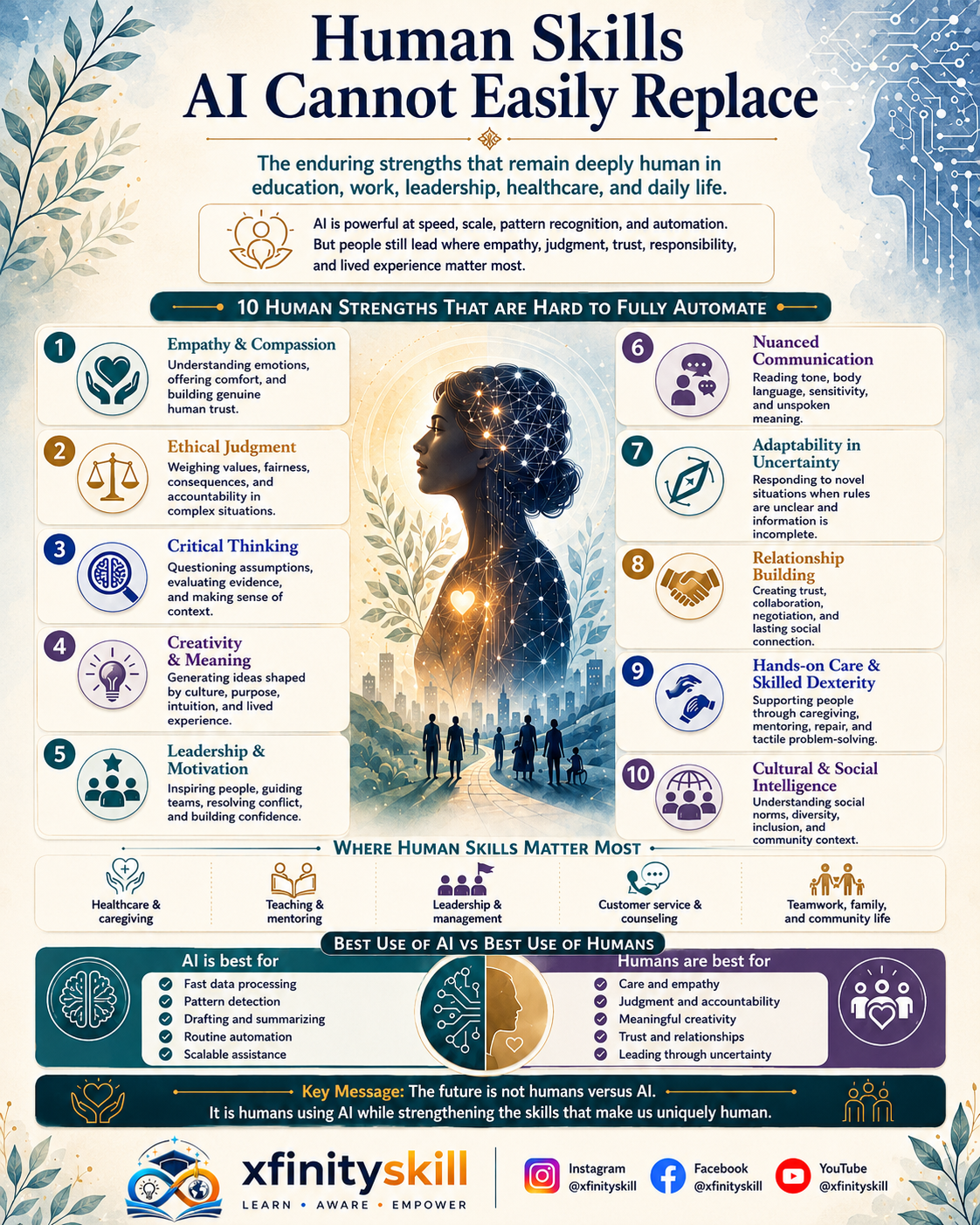
In an era where artificial intelligence is rapidly advancing, certain human skills remain uniquely irreplaceable. These skills not only define our humanity but also foster connections and creativity that machines struggle to replicate.
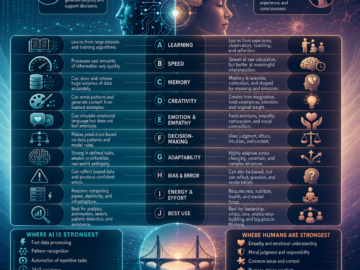
One of the most significant skills is empathy. The ability to understand and share the feelings of others is crucial in fields like healthcare, counseling, and education. While AI can analyze data and predict outcomes, it lacks the emotional intelligence to genuinely connect with individuals on a personal level.
Another vital skill is creativity. Humans possess the ability to think outside the box, innovate, and create art, music, and literature that resonate on an emotional level. AI can generate content based on patterns, but it cannot experience inspiration or the human condition, which are essential for true artistic expression.
Critical thinking is also a domain where humans excel. The capacity to analyze situations, evaluate evidence, and make informed decisions is essential in complex environments. AI can assist in data processing, but it cannot replace the nuanced judgment that comes from human experience and intuition.
Moreover, interpersonal communication is a skill that AI struggles to master. The subtleties of body language, tone, and context in conversations are often lost on machines. Effective communication requires not just the exchange of information but also the ability to build relationships and trust, which are inherently human traits.
Lastly, adaptability is a key human skill that allows individuals to navigate change and uncertainty. While AI can be programmed to perform specific tasks, it lacks the flexibility to adjust to new situations or learn from experiences in the same way humans do.
In conclusion, while AI continues to evolve and enhance various aspects of our lives, the human skills of empathy, creativity, critical thinking, interpersonal communication, and adaptability remain essential and irreplaceable. These skills not only enrich our personal and professional lives but also ensure that we maintain our unique human touch in an increasingly automated world.