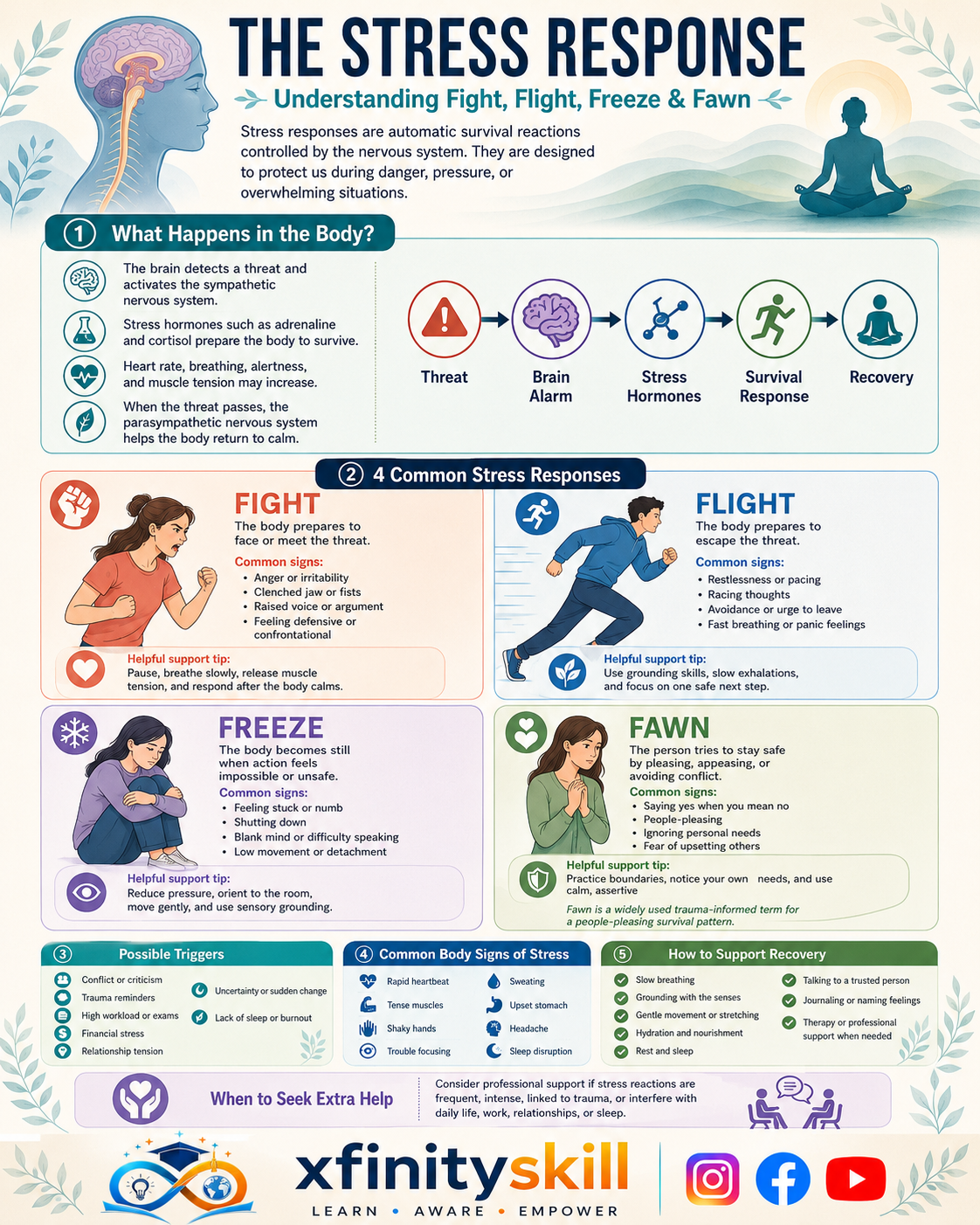
The Stress Response: Fight, Flight, Freeze, and Fawn
The human body has evolved to respond to threats in ways that ensure survival. This response is often categorized into four main reactions: fight, flight, freeze, and fawn. Each of these responses plays a crucial role in how we handle stress and danger.
Fight Response
The fight response is characterized by a surge of adrenaline and a readiness to confront a threat. This reaction can manifest as aggression or assertiveness, enabling individuals to defend themselves or their loved ones. In modern contexts, this might translate to standing up for oneself in a challenging situation, whether at work or in personal relationships.
Flight Response
In contrast, the flight response prompts individuals to escape from danger. This instinctual reaction is driven by the desire to avoid harm. It can lead to physical flight, such as running away from a threatening situation, or psychological flight, where one may withdraw emotionally or mentally from stressors. Recognizing when to flee can be vital for personal safety and mental well-being.
Freeze Response
The freeze response occurs when an individual feels overwhelmed by a threat, leading to a temporary paralysis or inability to act. This can be a protective mechanism, allowing one to assess the situation without drawing attention. While it may seem counterintuitive, freezing can sometimes be the best option in life-threatening scenarios, as it can prevent detection by predators.
Fawn Response
The fawn response is less commonly discussed but equally important. It involves appeasing or pleasing others to avoid conflict or danger. This reaction often stems from a desire for acceptance and safety, leading individuals to prioritize others’ needs over their own. While this can foster harmony in relationships, it may also result in neglecting personal boundaries and needs.
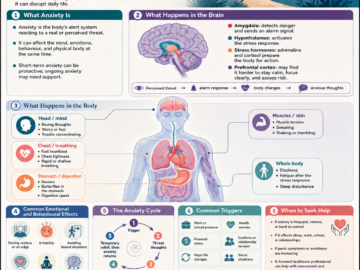
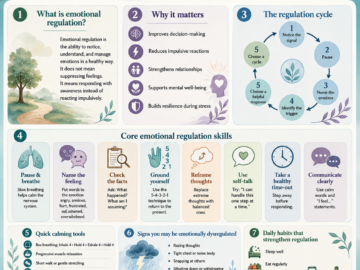
Understanding these stress responses can empower individuals to recognize their reactions in stressful situations. By identifying which response is triggered, one can develop healthier coping strategies and improve emotional resilience. Whether through mindfulness, therapy, or self-reflection, learning to navigate these responses can lead to a more balanced and fulfilling life.